Category: Health

Practical Battle Belt IFAK Tips for Quick Emergency Care

A well-organized battle belt IFAK can make emergency response smoother, faster, and more effective. Carrying the right medical essentials in an easy-to-reach setup improves confidence and readiness during outdoor activities, training sessions, and demanding environments. A practical arrangement helps save valuable time while keeping gear secure and accessible.

Choose a Compact and Balanced Setup

Keeping the belt lightweight improves comfort and mobility. A balanced arrangement also prevents unnecessary strain during movement.

Helpful setup ideas include:

  • Position the IFAK where either hand can reach it
  • Avoid overloading one side of the belt
  • Use slim pouches that reduce bulk
  • Keep essential tools separated for quicker access
  • Select durable materials that resist wear and moisture

A compact layout allows smoother movement while maintaining quick medical access.

Prioritize Essential Medical Supplies

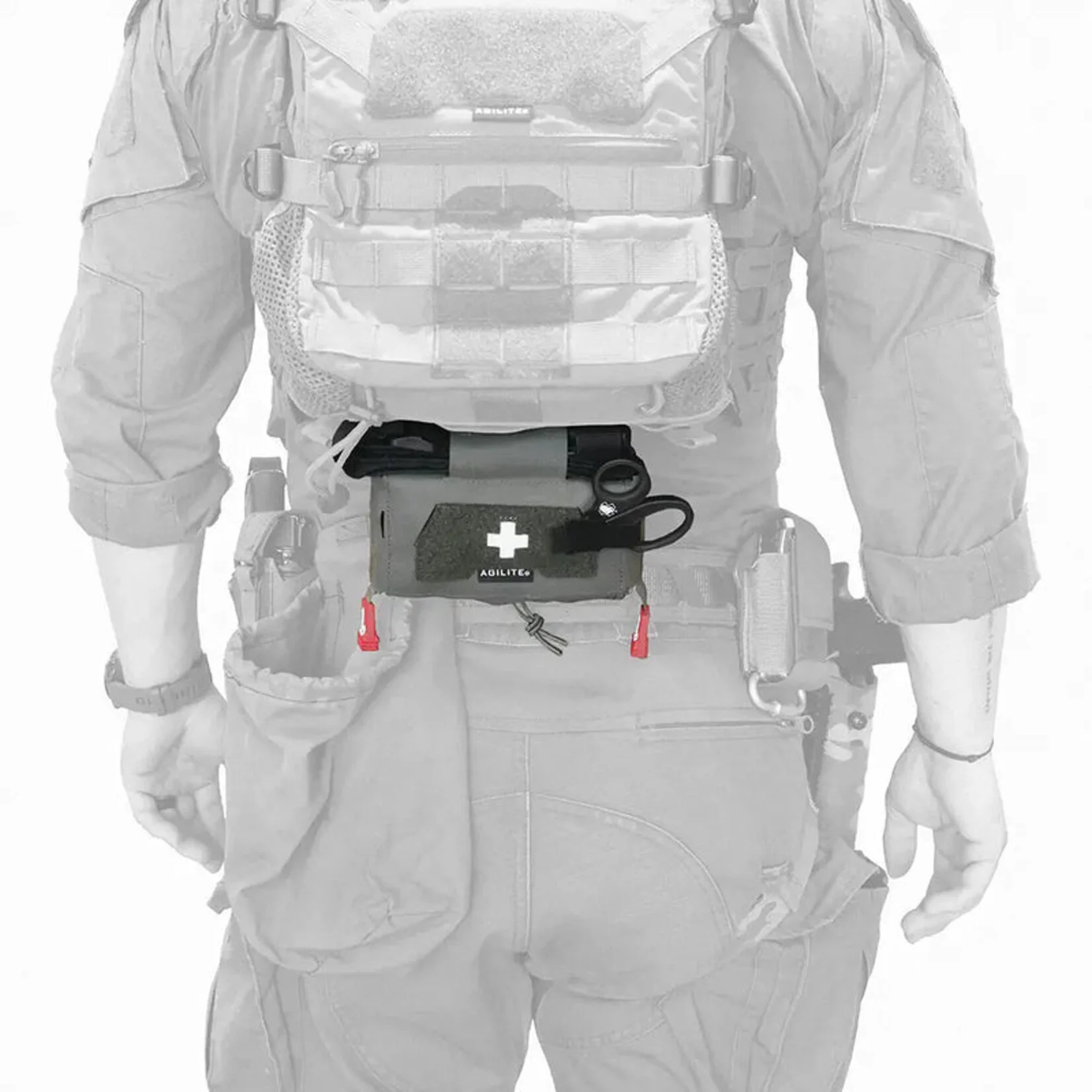
Battle Belt IFAK

An effective IFAK focuses on practical emergency items rather than excessive equipment. Carrying only the most useful supplies keeps the pouch organized and easy to manage.

Important items to include

  • Compression bandages
  • Medical gloves
  • Trauma shears
  • Gauze rolls
  • Adhesive tape
  • Chest seals
  • Antiseptic wipes
  • Tourniquet
  • Emergency blanket

These items support quick care during common emergency situations while keeping the kit efficient.

Organize Supplies for Faster Access

Smart organization reduces confusion during stressful moments. Placing items in a logical order improves reaction speed and helps users locate supplies immediately.

Simple organization tips:

  • Store frequently used items near the outer section
  • Use elastic loops to secure medical tools
  • Separate small items into labeled compartments
  • Keep gloves on top for immediate use
  • Fold gauze neatly to prevent tangling

An organized IFAK improves efficiency and keeps supplies protected from damage.

Practice Quick Retrieval Techniques

Fast access matters during emergency care. Repeated practice builds familiarity with the pouch layout and improves response time.

Useful training habits

  • Practice opening the pouch with both hands
  • Repack supplies after every training session
  • Test access while standing, kneeling, and moving
  • Memorize the location of every item
  • Perform timed retrieval drills regularly

Consistent practice creates smoother reactions and increases overall preparedness.

Keep the Kit Clean and Updated

Routine maintenance keeps medical gear reliable and ready for use. Supplies should remain clean, dry, and properly secured at all times.

Maintenance checklist:

  • Replace damaged packaging immediately
  • Remove expired medical items
  • Inspect straps and zippers regularly
  • Clean dirt and moisture from the pouch
  • Restock missing supplies after use

A maintained kit performs better and supports dependable emergency response.

Improve Comfort without Sacrificing Function

Comfort plays an important role in battle belt ifak during long periods of wear. A properly adjusted battle belt helps users move naturally while carrying medical equipment securely.

Comfort-enhancing tips

  • Adjust belt tension evenly
  • Prevent overcrowding with unnecessary gear
  • Keep heavier items close to the center
  • Use flexible pouch placement when possible
  • Test the setup during movement exercises

A comfortable arrangement encourages consistent use and better mobility.

A practical battle belt IFAK combines accessibility, organization, and reliability for quick emergency care. Smart placement, essential medical supplies, and regular practice create a more efficient response system. With a lightweight setup and proper maintenance, users can stay prepared while moving confidently in demanding situations.

Queensland Cosmetic + Surgical Dermatologists Worth Knowing About

You can get fantastic cosmetic results in Queensland. You can also get rushed consults, vague “injector” credentials, and plans that sound suspiciously like whatever the clinic is trying to sell this month.

So if you’re shopping for Botox, lasers, or skin surgery, don’t treat “good vibes” as a safety metric. Treat this like you’re hiring someone to work on your face (because… you are).

One-line truth: Credentials beat charisma.


 A top cosmetic dermatologist doesn’t feel “glam.” They feel methodical.

When people tell me a clinician was “so lovely,” I nod…and then I ask what the plan was.

The top-tier Queensland cosmetic and surgical dermatologists I’ve dealt with (and referred to) tend to have a slightly boring superpower: they’re relentlessly evidence-based. They talk in probabilities and trade-offs. They’ll say things like, “Your melasma is high-risk for rebound with aggressive heat,” and then they’ll not recommend the flashy laser that would look great on Instagram.

That’s what you want.

They also combine two mindsets that rarely coexist:

– a diagnostician’s discipline (spot the skin disease, the red flags, the contraindications)

– an aesthetic eye (balance, symmetry, proportion, restraint)

Restraint is underrated. Overfilled faces and “frozen” foreheads are usually not a technology problem, they’re a judgment problem.


 “Who’s actually qualified?” (Yes, ask it that bluntly.)

Here’s the thing: in Australia, cosmetic procedures can be offered by a wide range of practitioners with very different training backgrounds. Some are excellent. Some… shouldn’t be near a cannula.

If you only remember one check, make it this: confirm the practitioner is registered and see what type of registration they hold.

A quick, concrete data point: according to the Medical Board of Australia’s 2023 cosmetic surgery guidance, titles and marketing can be misleading, and patients are urged to verify registration and training rather than relying on branding. Source: Medical Board of Australia (Ahpra) guidance on cosmetic surgery, 2023.


 Credential checks that actually tell you something

Not a long flowchart. Just what works in real life.


 1) Verify registration (don’t take a website badge as proof)

Use Ahpra’s public register to confirm:

– the practitioner is currently registered

– there are no conditions, undertakings, or reprimands listed (read the details, not just the label)

– their profession matches the role you think they’re performing (medical practitioner vs nurse vs dentist, etc.)


 2) Training: make them be specific

Vague claims like “internationally trained” mean nothing by themselves. Ask where, what year, and in which program. A solid clinic won’t squirm.

Good signs include:

– formal dermatology training (FRACP Dermatology)

– documented procedural experience for the specific treatment you want (laser ≠ injectables ≠ surgery)

– ongoing CPD that’s relevant, not generic


 3) Hospital admitting rights (helpful, not mandatory for all treatments)

For surgical skin cancer work or more involved procedures, hospital privileges can indicate peer oversight. It’s not a magic stamp of quality, but it’s a meaningful signal.


 Safety: if the clinic can’t explain it, they can’t run it

Now, this won’t apply to everyone, but if a clinic feels casual about infection control or emergency prep, walk.

You’re looking for the unsexy stuff: protocols, documentation, drills, consent quality, and what happens when something goes wrong. Complications in experienced hands are usually manageable. Complications in disorganised hands become stories you tell your friends for a decade.

A good clinic can clearly explain:

– how they screen for contraindications (pregnancy, neuromuscular disorders, isotretinoin history, keloid risk, HSV risk, anticoagulants)

– what emergency equipment is on-site and who’s trained to use it

– what follow-up looks like if you bruise, swell, hyperpigment, scar, or get an infection

And yes, they should have a plan for pigment issues after lasers, Queensland sun doesn’t play nicely with sloppy post-care.

One-line reality check: aftercare is part of the procedure.


 A quick “standout dermatologist” note (and a necessary limitation)

People love lists of names. I get it. But I’m not going to invent or imply endorsements of specific Queensland dermatologists without verifiable, up-to-date sourcing in front of me.

What I can do is show you how to identify the standouts fast, because the pattern is consistent across Brisbane, the Gold Coast, Sunshine Coast, and regional hubs:

You’ll notice the better practices tend to:

– document everything (photos, dosing, batch numbers, laser settings where appropriate)

– offer conservative starting plans instead of a “full face” upfront

– give you realistic timelines (especially for pigment, rosacea, acne scarring)

– spell out risks in plain English, not legalese (and not glossed over)

If you want, tell me your city/region and the treatments you’re considering, and I can help you build a short checklist to compare specific clinics you’re looking at, without pretending I’ve “reviewed” them.


 Botox, lasers, and surgery: the practical differences (friend version, then clinician version)


 Friend version

Botox is usually about movement lines. Lasers are about surface and pigment (and sometimes vessels). Surgery is for things that need removing or reshaping, often medically necessary, sometimes cosmetic.

Also: pairing treatments can be smart, but it can also be a money-pit if the sequence is wrong.


 Clinician-brief version

Botulinum toxin: targets dynamic rhytids via chemodenervation; success depends on dosing, placement, facial anatomy, and managing compensatory movement. Watch for brow ptosis risk, asymmetry, and patient-specific muscle recruitment patterns.

Energy-based devices (lasers/IPL/RF): indications vary, photodamage, lentigines, vascular lesions, texture/scars. Critical variables include Fitzpatrick type, melanin load, prior pigment history, and sun exposure. Post-inflammatory hyperpigmentation risk must be actively managed.

Surgical dermatology: excisions, flap/graft repairs, and skin cancer management require meticulous margin planning, tension vectors, and scar strategy. Follow-up isn’t optional; it’s how you catch infection, hypertrophy, recurrence, and functional issues early.

Opinionated take: if a clinic sells lasers like they’re facials, you’re in the wrong building.


 Consultation tips that separate “sales consult” from “medical consult”

A proper consult feels like being assessed, not pitched.

Bring:

– your medication list (including supplements, fish oil and bruising are a classic combo)

– history of cold sores, pigment problems, keloids, prior cosmetic work

– 2, 3 photos of results you like (not to copy, just to calibrate taste)

Ask questions that force specificity:

– “What are the top three risks for me?”

– “What would you recommend if we did less, not more?”

– “If I hate the outcome, what can be reversed and what can’t?”

– “How many of these treatments do you personally perform each month?” (watch how they answer)

If you get vague reassurance instead of clear parameters, that’s a signal.

Short paragraph, because it matters:

Consent isn’t a form. It’s a conversation.


 Verifying Queensland clinics: the boring homework that saves you pain

Look, you don’t need to become an investigator. You just need a repeatable process.

Do this in under 20 minutes:

– Check Ahpra registration and any conditions

– Confirm the clinic address, ownership, and who actually performs the procedure (not who “oversees” it)

– Read reviews for patterns: aftercare responsiveness, complication handling, communication clarity

– Ask about pricing structure upfront (consult fee, procedure fee, review visits, touch-ups, consumables)

One more opinion: a clinic that hides pricing and leans on urgency is rarely the clinic doing careful medicine.


 The “green flags” I trust (and the red flags I don’t)

Green flags:

– conservative plan, staged approach

– written aftercare + direct contact pathway for concerns

– clear explanation of alternatives, including doing nothing

– consistent documentation and follow-up intervals

Red flags:

– guaranteed outcomes or “no downtime” claims for obviously downtime-heavy treatments

– refusal to discuss complications or show consent materials until the day of treatment

– unclear practitioner roles (“the doctor will be around”)

– discount-driven treatment planning

Bringing Professional Kindness and Expert Care Directly to Your Doorstep

Modern families want care that feels human, respectful, and reliable without compromising expertise. In-home support has become a preferred solution for individuals who value comfort, independence, and dignity while receiving professional assistance. By delivering services directly to the home, compassionate caregivers help people thrive in familiar surroundings, surrounded by what matters most. Within the first steps of choosing quality in-home support, families often discover options like Homewatch CareGivers of West Hartford, which reflects how personalized care can blend professionalism with genuine kindness when delivered at home. This approach allows individuals to maintain routines while receiving attentive, skilled help designed around their unique needs.

The Meaning of Professional Kindness

Professional kindness goes beyond friendly gestures. It is an intentional approach that combines empathy, respect, and consistency with trained caregiving skills. Caregivers who practice professional kindness listen actively, respond thoughtfully, and build trust through reliability.

Key elements include:

  • Respecting personal preferences and cultural values
  • Encouraging independence while offering appropriate support
  • Communicating clearly with families and care recipients
  • Creating a calm, reassuring presence during daily activities

This balance ensures care feels empowering rather than intrusive.

Expert Care That Adapts to Daily Life

Expert in-home care is designed to fit seamlessly into everyday routines. Instead of forcing individuals to adjust to institutional schedules, caregivers adapt to the person’s lifestyle, health goals, and energy levels.

Professional in-home care may support:

  • Daily living activities such as meal preparation and mobility
  • Cognitive engagement and emotional well-being
  • Medication reminders and wellness monitoring
  • Companionship that reduces isolation and stress

This adaptability enhances both safety and quality of life.

Benefits of Care Delivered at Home

Receiving care at home offers measurable emotional and practical advantages. Familiar surroundings promote confidence and reduce anxiety, especially for older adults or those recovering from illness.

Notable benefits include:

  • Comfort and privacy in a known environment
  • Personalized attention instead of one-size-fits-all solutions
  • Stronger emotional connections and continuity of care
  • Reduced disruption to family life and routines

These advantages contribute to better long-term outcomes.

A Positive Path Forward for Families

Choosing in-home care is a proactive step toward well-being. Families gain peace of mind knowing their loved ones receive attentive, skilled support without leaving home. Individuals benefit from dignity, autonomy, and meaningful human connection. By combining expert knowledge with heartfelt kindness, in-home care creates a supportive environment where people feel valued, safe, and empowered right at their doorstep.

Dry January: A Simple Step towards Better Health and Happiness

Dry January has become a popular movement for people to reset their relationship with alcohol. For an entire month, participants refrain from drinking alcoholic beverages, allowing their bodies and minds to detox, recharge, and focus on their health and well-being. This challenge not only promotes physical benefits but also encourages mental clarity and emotional well-being.

Dry January is a voluntary month-long commitment where participants avoid consuming alcohol. It typically takes place in January, following the indulgence of the holiday season. It has gained momentum in recent years, with many individuals participating in the challenge for the first time or making it a yearly tradition. Health coaches recommend planning ahead for Dry January by stocking up on non-alcoholic beverages.

Health Benefits of Dry January

  1. Improved Physical Health
    • Better Sleep: Alcohol disrupts the natural sleep cycle, making it harder to get restful sleep. After just a few days of abstinence, many participants report feeling more rested and energized.
    • Liver Health: Regular alcohol consumption puts stress on the liver, an essential organ for detoxifying the body. Taking a month off allows the liver to recover and function more efficiently.
    • Weight Loss: Alcohol is high in empty calories. Cutting it out for a month may help reduce calorie intake, leading to potential weight loss.
    • Improved Skin: Alcohol dehydrates the body, which affects the skin’s appearance. Many people notice clearer, more radiant skin after a month of sobriety.
  2. Enhanced Mental Clarity
    • Cognitive Function: Alcohol impairs brain function and memory. By abstaining, participants often experience improved concentration, sharper thinking, and better memory retention.
    • Mood Stability: Alcohol can contribute to mood swings and anxiety. A break from drinking helps to stabilize emotions, allowing participants to feel more balanced and calm.
    • Increased Productivity: Without the mental fog caused by alcohol, individuals often find they are more productive in both work and personal endeavors.

Emotional and Social Benefits

  1. Improved Mental Health
    • Taking a break from alcohol helps to improve mental health by reducing the risk of depression, anxiety, and stress. Many people feel more confident and empowered after successfully completing Dry January.
    • Abstaining from alcohol allows individuals to take a step back, evaluate their relationship with drinking, and develop healthier habits.
  2. Stronger Social Connections
    • Many individuals use Dry January as an opportunity to reconnect with friends and family without the social pressure of drinking. By choosing non-alcoholic activities or engaging in sober events, participants often find their social bonds deepen.
    • For those who have struggled with alcohol-related social anxiety, this month offers an opportunity to socialize in a more comfortable, authentic way.

A Step Towards Better Health and Happiness

Dry January is a simple yet effective way to improve both physical and mental health. It is a small commitment with the potential for long-lasting benefits. Whether you are looking to improve your sleep, lose weight, or reduce stress, taking a month off from alcohol can be a rewarding experience that paves the way for healthier, happier habits in the future.

Effective Sustainable Weight Loss Solutions That Promote Healthy Habits And Lasting Change

Achieving weight loss is not just about following a temporary diet plan; it is about embracing lifestyle changes that lead to long-term health and well-being. Sustainable weight loss focuses on forming healthy habits, improving overall nutrition, and integrating physical activity in a way that fits your daily life. Below are proven strategies to help you achieve lasting results. Achieving Sustainable weight loss requires addressing hormonal balance, nutrition habits, and metabolic health together.

Prioritize Balanced Nutrition

One of the most critical components of sustainable weight loss is adopting a balanced diet. Extreme or restrictive diets may lead to rapid results but are often unsustainable.

  • Focus on whole foods: Incorporate fruits, vegetables, whole grains, lean proteins, and healthy fats into your meals. These foods provide essential nutrients while keeping you full for longer periods.
  • Mindful portion control: Instead of strict calorie counting, pay attention to portion sizes and eat until you feel satisfied, not stuffed.
  • Regular meal timing: Eating at consistent intervals helps regulate blood sugar levels and reduces the likelihood of overeating or impulsive snacking.

Incorporate Physical Activity

Exercise is a key factor in maintaining a healthy weight. The goal is to find activities you enjoy, making it easier to stick with them long-term.

  • Combine cardio and strength training: Cardiovascular exercise burns calories, while strength training builds muscle, boosting metabolism and supporting fat loss.
  • Stay active throughout the day: Small habits, like taking stairs, walking during breaks, or stretching, add up to significant calorie expenditure.
  • Set realistic goals: Focus on achievable fitness targets rather than extreme expectations, which can lead to burnout or injury.

Build Healthy Lifestyle Habits

Sustainable weight loss is supported by habits that foster overall well-being.

  • Prioritize sleep: Poor sleep can disrupt hormones related to hunger and appetite, making it harder to lose weight. Aim for 7–9 hours per night.
  • Manage stress: Chronic stress increases cortisol levels, which can contribute to weight gain. Practice mindfulness, meditation, or simple breathing exercises.
  • Stay hydrated: Drinking enough water supports metabolism, aids digestion, and reduces unnecessary snacking.

Focus on Behavior Change Over Quick Fixes

Long-lasting weight loss depends on behavioural changes rather than temporary solutions.

  • Track progress mindfully: Journaling meals, activity, or moods can help identify patterns and reinforce positive habits.
  • Celebrate non-scale victories: Improvements in energy, endurance, and overall health are just as important as weight numbers.
  • Seek social support: Engaging with friends, family, or support groups provides motivation and accountability.

Final Thoughts

Sustainable weight loss is a gradual process that emphasizes healthy habits, consistent effort, and self-compassion. By prioritizing balanced nutrition, incorporating regular physical activity, and fostering positive lifestyle habits, you can achieve lasting results. Remember, it is not about perfection it is about making small, manageable changes that lead to a healthier, more fulfilling life.

Responsive Workforce Strategies Support Allied Care Demands

The healthcare landscape is evolving rapidly, with allied care professionals playing a crucial role in delivering quality patient outcomes. Hospitals, clinics, and care facilities are increasingly relying on responsive workforce strategies to meet the growing demands of allied health services. By implementing flexible staffing solutions and proactive workforce planning, organizations can maintain high standards of care while adapting to changing patient needs.

Addressing Fluctuating Patient Demands

Allied care services, including physiotherapy, lab services, radiology, and nutrition support, require a workforce that can adjust quickly to patient volumes. Responsive workforce strategies ensure that organizations can meet these fluctuating demands efficiently. Key approaches include:

  • Dynamic Scheduling: Implement flexible shift patterns to align staff availability with peak patient hours.
  • Cross-Training Staff: Equip employees with multiple skills to allow seamless coverage across different roles.
  • On-Demand Staffing: Utilize temporary or contract professionals to manage unexpected surges in patient care needs.

These measures allow allied staffing healthcare organizations to respond promptly to patient needs while minimizing disruption to care quality.

Enhancing Operational Efficiency

Maintaining a responsive workforce goes hand-in-hand with operational efficiency. By integrating data-driven workforce planning, organizations can optimize staffing levels and resource allocation. Benefits include:

  • Streamlined Workflow Management: Efficiently assign tasks based on staff availability and skill sets.
  • Reduced Overtime Costs: Balance workloads to prevent burnout and control labor expenses.
  • Improved Resource Utilization: Ensure that personnel and equipment are used effectively to maximize productivity.

Such strategies help healthcare providers deliver timely care while maintaining smooth operational processes.

Supporting Quality Patient Outcomes

Responsive workforce strategies directly impact the quality of patient care. Proper staffing ensures that allied care professionals can provide attentive, specialized services. Advantages include:

  • Timely Interventions: Reduce wait times for patients by ensuring appropriate staffing levels.
  • Enhanced Staff Engagement: Supportive scheduling and workforce flexibility improve morale and retention.
  • Consistent Care Delivery: Maintain high standards of service across all shifts and departments.

By aligning workforce planning with patient care priorities, healthcare organizations can achieve better clinical outcomes and patient satisfaction.

Building a Future-Ready Allied Care Workforce

The healthcare sector faces ongoing challenges, including rising patient demands and workforce shortages. Responsive workforce strategies prepare organizations for the future by creating adaptable, resilient teams. Key initiatives include:

  • Continuous Workforce Assessment: Regularly review staffing needs and forecast future demand trends.
  • Professional Development Programs: Invest in training to enhance skills and expand the capabilities of the existing workforce.
  • Technology Integration: Leverage workforce management systems to monitor, schedule, and optimize staffing in real time.

These initiatives foster a proactive approach to workforce planning, ensuring that allied care services remain sustainable and high-quality.

In summary: Implementing responsive workforce strategies enables healthcare organizations to meet allied care demands efficiently. By emphasizing flexibility, operational efficiency, and staff engagement, organizations can deliver superior patient outcomes while building a future-ready workforce.

Explore the Health Advantages of Skin Patches for Nausea Management

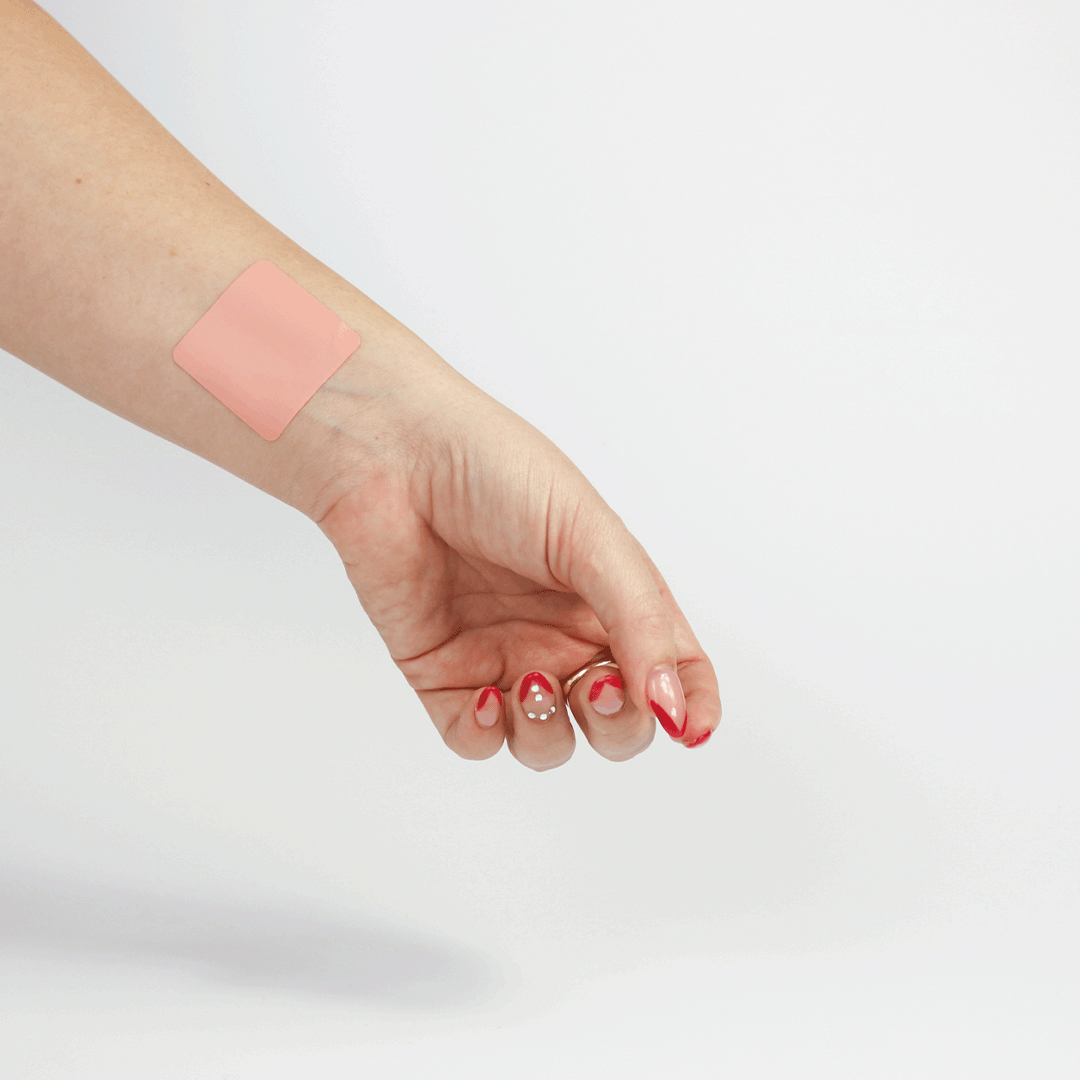
Taking good care of nausea is important for daily comfort and health, especially for people who get motion sickness, morning sickness, or side effects from treatments. Particularly when the nausea is already severe, traditional techniques like oral drugs may not always be quick or convenient. Skin-applied treatments provide a useful substitute in this situation. Designed for constant support and progressive release, they offer relief in a subtle and simple way. nausea patches are one alternative growingly popular for such demands.

Regular Symptom Relief             

The steady delivery of comfort is one of the main benefits of skin-applied treatments for nausea. Unlike tablets, which could take time to digest and absorb, these treatments start functioning through the skin and usually provide a faster feeling of relaxation. This approach keeps people balanced all day long for those who find it hard to swallow drugs or who suffer nausea at erratic times. It also helps to have a more consistent impact, so lowering the likelihood of nausea coming back right after therapy.

Simplicity

Especially when on the go, people’s management of discomfort is greatly influenced by convenience. The ease with which these items may be used makes them available to people of all ages. No remembering schedules, timing doses, or water required. Especially useful while traveling or in hectic schedules, these qualities help to prevent nausea brought on by motion, stress, or irregular meals. Ease of use promotes more regular use, which then produces more efficient alleviation.

patchaid vitamin patches

Patches advantages

Amidst many therapeutic options, nausea patches provide some particular benefits. Often using components recognized for their soothing qualities, they let nature help in controlling queasiness. The administration system significantly lessens the possibility of gastrointestinal negative effects connected with some oral drugs. This qualifies them for those already managing several drugs or those with sensitive stomachs. Their subtle design lets one use them in public without drawing notice.

Assistance for Recovery

Targeted nausea control is becoming increasingly important for those recovering from surgery, receiving medical treatment, or suffering protracted episodes of queasiness. By reducing the need for extra medicine, skin-applied treatments help comfort during these delicate times. They enable people to recover by encouraging a feeling of physical balance, which helps them to regain their hunger. This kind of assistance can be useful not only physically but also mentally, hence enhancing general stability. These solutions help to simplify daily life for anyone susceptible to queasiness with their consistent performance and straightforward use.

Overcoming Infertility: Exploring Advanced IVF Services in Hong Kong

Infertility, as defined by the World Health Organization, is the inability to conceive after 12 months or more of regular unprotected sexual intercourse. Millions of married couples worldwide suffer this disorder, which affects 8–12% of them and leaves them craving the pleasure of parenthood. In hong kong ivf services, the developments in assisted reproductive technologies (ART) have given couples dealing with infertility hope and answers. Among these technologies, modern fertility treatment’s pillar is clearly in vitro fertilization (IVF).

Why Choose Hong Kong for IVF?

IVF is among the modern medical technologies Hong Kong has developed as a center of excellence. Celebrated for its first-rate healthcare system, the city blends cutting-edge technology with highly qualified medical experts. Modern laboratory tools and international standards enable Hong Kong’s fertility clinics to guarantee high success rates and patient safety by means of their operations.

Hong Kong’s legal system also encourages moral behavior in fertility treatments, which helps couples looking for reproductive answers to trust this country. Its handy Asia location and bilingual medical personnel help to appeal even more to local and foreign patients.

hong kong ivf services

The IVF Process in Hong Kong

Beginning with an exhaustive evaluation of the couple’s reproductive condition, IVF is a multi-stage process. This guarantees that the treatment is catered to their particular requirement. Usually, the procedure comprises:

Ovarian Stimulation:

Medication is given to boost the ovaries’ production of many eggs, therefore raising the possibility of successful fertilization.

Egg Retrieval and Sperm Collection:

From the ovaries, mature eggs are gathered; sperm is then gathered from the male spouse or donor.

Fertilization in the Laboratory:

To produce embryos, the eggs and sperm are merged under control.

Embryo Transfer:

Transported into the woman’s uterus, one or more viable embryos can settle and grow there.

Patients in Hong Kong get tailored treatment and counseling throughout the operation to handle both physical and emotional issues.

Advanced Treatments and Techniques

Advanced treatments and techniques complement Hong Kong’s IVF offerings to maximize results. These encompass:

Intracytoplasmic Sperm Injection (ICSI):

This surgery provides a remedy for extreme male infertility by putting one sperm straight into an egg.

Preimplantation Genetic Testing (PGT):

PGT guarantees that just genetically viable embryos are placed, therefore lowering the danger of inherited diseases and raising the possibility of a successful pregnancy.

Egg Freezing:

Egg freezing gives those who want to keep their fertility the flexibility to conceive later in life.

Emotional and Financial Considerations

IVF can be an emotionally draining process, hence Hong Kong fertility clinics give patients mental health care first priority. Often integrated into the therapy plan are counseling services, which guarantee that couples feel supported all through the road.

Although IVF is a large financial outlay, many clinics provide flexible payment schedules to help to reduce the load. Furthermore covered by various government subsidies and private insurance policies could be some treatment expenses.

The hong kong ivf services give couples experiencing infertility a ray of hope. Hong Kong offers a helping environment for people starting the road to parenting with its sophisticated medical system, ethical standards, and individualized care. Couples may overcome infertility and realize their goals of having children by using the most recent reproductive technologies and professional advice.

Will Parenting Ever Rule The World?

We all want to be a good parent to our children and try our best for it. Being a parent is a great fortune in itself and few people get this happiness. We should give love to all the children we see around us. Even if we are not their parents, how to take care of them so that they never have any complaints, parents fulfill their tasks perfectly. All the parents spare no effort from their side. Whether it is related to the upbringing of children or it is related to their future life.

The right way to raise children

We all want to give a good upbringing to our children and our society also appreciates that children follow the right path, children follow what they see in the family when elders behave right, even we can expect that they also behave properly and children also learn by seeing this to a large extent. Scolding causes a lack of development in children, so don’t be afraid, instead, they should be explained.

How to feed babies

It becomes the most important thing in parenting that how we feed the children so that their health of the children remains. Parents should feed them homemade things instead of giving them outside food items. When parents feed children homemade things, children will be less eager to eat outside things and children’s physical development will increase. And there will be both mental developments. As the children grow up, the color of their food and drink changes while sitting. It should be ensured by the elders that by which behavior they should be taught that they can learn your words easily and keep their mind and mind in mind.

Parenting Style

How to discipline kids

 When it comes to discipline, never use force with children because it makes children scared and their mental development stops in a way. In discipline, teach them how to behave with others whether they are older or younger than themselves, they should not quarrel. Whatever the elders do, respect them and listen to them with respect. Parents should also be like a friend with their children by being a parent when the parents are like a friend to their children. So children also feel at ease and never hide anything from their parents in life no matter how big it is. They tell everything to their parents and this strengthens the relationship between the child and the parent.