
Author: Firdausi

Efficient Methods For Tracking Products Across Grocery Shelves

Grocery store inventory requires organized tracking because shelves contain many products with different quantities, selling speeds, storage needs, and expiration dates. Efficient monitoring helps employees understand what is available, what needs replenishment, and where each product belongs. A structured approach also supports smoother shelf organization and a more consistent shopping experience. Modern inventory practices can combine clear product identification, regular counting, and technology-assisted records to create dependable visibility across store areas.

Clear Product Identification

A reliable tracking process begins with consistent product records. Each item can be assigned a unique identification code that helps employees recognize products during receiving, stocking, counting, and replenishment. This approach makes it easier to distinguish similar packages, sizes, flavors, and varieties.

For stronger organization, grocery teams can:

  • Maintain accurate product descriptions and categories.
  • Record quantities using consistent units.
  • Assign clear locations for shelves and storage areas.
  • Update records when products arrive or leave.
  • Keep shelf labels aligned with inventory records.

A well-structured approach to https://www.zhsunyco.com/grocery-store-inventory-management/ can further support organized product monitoring and improve visibility throughout daily operations.

Regular Shelf Counting

Physical verification remains valuable even when inventory records are updated frequently. Cycle counting allows employees to review selected products or sections on a regular schedule instead of waiting for a complete store count. This helps identify differences between recorded quantities and actual shelf availability.

Useful counting practices include:

  • Check high-demand products frequently.
  • Count selected shelf sections on rotating schedules.
  • Compare physical quantities with recorded quantities.
  • Review storage areas alongside sales-floor shelves.
  • Document completed counts for consistent follow-up.

Technology-Supported Tracking

Digital inventory tools can improve visibility by connecting product records with sales, receiving, and replenishment activities. Barcode scanning can make product identification faster, while inventory records can provide updated information about quantities and locations. Shelf-monitoring technologies can also assist with identifying products and evaluating shelf placement.

Helpful capabilities may include:

  • Barcode-based product identification.
  • Digital quantity updates.
  • Location-based inventory records.
  • Automated replenishment alerts.
  • Shelf availability monitoring.

Organized Product Rotation

Product rotation is especially important for fresh and perishable groceries. Employees can arrange products so items that should be sold sooner receive appropriate shelf positions. First-in, first-out practices help maintain orderly movement and support freshness management.

Teams can strengthen rotation by:

  • Checking dates during stocking.
  • Placing older suitable products toward the front.
  • Reviewing fresh sections regularly.
  • Separating products requiring special handling.
  • Recording relevant shelf-life information.

Consistent Replenishment Practices

Accurate shelf tracking becomes most useful when it supports timely replenishment. Setting practical reorder levels helps teams recognize when stock should be moved from storage to the sales floor or included in a new order. Combining sales information, physical counts, and replenishment routines creates a coordinated inventory process. With clear records, regular verification, organized rotation, and supportive technology, grocery stores can maintain well-managed shelves while giving employees greater confidence in daily inventory decisions


Understanding Storage Conditions Through Bread Bag and Bread Box Comparisons

Fresh bread brings delightful flavor, appealing texture, and convenience to everyday meals. Choosing suitable storage helps maintain these qualities while keeping kitchens organized and serving routines simple. Bread bags and bread boxes offer practical advantages, allowing households to create storage conditions that support freshness, accessibility, and comfortable daily use. Understanding their differences makes it easier to select an appropriate solution for different bread varieties and storage preferences.

1. Exploring How Bread Bags Support Freshness

Bread bags provide a convenient way to store loaves while helping preserve their softness. Their flexible structure makes them suitable for everyday handling, offering simple storage that fits easily into different kitchen arrangements.

  • Moisture Retention: Bread bags help retain internal moisture, supporting a soft crumb and enjoyable texture.
  • Flexible Storage: Their lightweight construction accommodates different loaf shapes and sizes.
  • Convenient Handling: Bags make wrapping, carrying, and storing bread straightforward.
  • Easy Organization: Compact packaging fits neatly inside cupboards, baskets, or pantry shelves.
  • Everyday Accessibility: Simple closures allow quick access during breakfast and meal preparation.

Selecting suitable bag materials can further support storage preferences and provide an effective way to keep bread comfortably covered between servings.

2. Understanding the Benefits of Bread Boxes

Bread boxes create a dedicated storage environment by providing an enclosed space for baked goods. Their structure supports organized countertop storage while helping protect bread from direct exposure to surrounding kitchen conditions.

  • Air Circulation: Suitable ventilation helps balance airflow and moisture around stored loaves.
  • Physical Protection: Enclosed designs protect bread from dust and accidental contact.
  • Consistent Placement: A dedicated container keeps bread in an accessible location.
  • Spacious Arrangement: Boxes can accommodate multiple loaves, rolls, or different baked varieties.
  • Kitchen Organization: Their structured design creates a tidy, attractive storage area.

Choosing a box with appropriate ventilation and sufficient capacity supports convenient storage while making everyday kitchen routines more efficient.

3. Comparing Storage Conditions for Different Needs

Understanding bread box vs bread bagĀ  differences helps households match storage methods with bread varieties, kitchen space, and consumption habits. Both options offer useful benefits when selected according to specific requirements to look upon https://www.yoonpak.com/bread-box-vs-bread-bag/.

  • Soft Bread: Bags help retain moisture and maintain a tender interior.
  • Crusty Loaves: Bread boxes with suitable airflow help preserve desirable crust characteristics.
  • Limited Counter Space: Flexible bags fit conveniently into existing storage areas.
  • Multiple Loaves: Spacious boxes provide organized placement for different baked goods.
  • Frequent Serving: Both options support easy access when positioned appropriately.

Considering the bread’s ingredients, crust, and expected storage duration helps establish practical conditions for maintaining enjoyable quality.

4. Creating Effective Everyday Storage Habits

Good storage practices complement the advantages of bags and boxes. Simple habits help maintain bread quality, improve accessibility, and create an organized environment for everyday enjoyment.

  • Allow freshly baked bread to cool completely before covering it.
  • Keep storage containers clean and dry between uses.
  • Choose storage locations away from direct sunlight and heat sources.
  • Store different bread varieties separately when their moisture requirements differ.
  • Inspect bread regularly and remove crumbs to maintain cleanliness.

Conclusion

Bread bags and bread boxes provide practical ways to support freshness, protect texture, and simplify kitchen organization. Understanding their individual benefits makes storage decisions more convenient and purposeful. By considering bread varieties, available space, and everyday serving habits, households can establish comfortable storage routines. Thoughtful storage choices help preserve the enjoyment of fresh bread while making daily meals easier to prepare and serve.

Different Can Capacities Suit Diverse Culinary And Packaging Needs

Food cans are available in a wide range of capacities, allowing culinary preparation and packaging operations to select sizes that match specific requirements. From smaller containers suited to individual portions to larger formats designed for bulk quantities, varied capacities support convenience, efficient storage, portion planning, and organized food handling. Understanding these differences helps create practical packaging choices.

Smaller Cans Support Convenient Portions

Compact can sizes can work well when measured quantities and easy handling are important. They are useful for individual servings, household recipes, and products where maintaining a manageable portion is a priority.

  • Smaller capacities support convenient serving sizes.
  • Compact dimensions can simplify storage.
  • Individual portions can support efficient preparation.
  • Lighter containers can be easy to handle.
  • Smaller quantities can help manage recipe requirements.

Medium Capacities Offer Flexible Uses

Medium-sized cans provide a useful balance between quantity and convenience. These formats can accommodate ingredients such as vegetables, beans, fruits, soups, and sauces while remaining practical for everyday culinary applications.

  • Medium sizes can support family-style meals.
  • Flexible capacities suit varied food products.
  • Practical dimensions can simplify handling.
  • Moderate quantities can support recipe consistency.
  • Versatile formats can serve multiple applications.

Larger Cans Support Bulk Preparation

Larger capacities are particularly valuable when substantial quantities are needed. They can support foodservice preparation, bulk cooking, and efficient ingredient management by providing greater volume within a single container.

  • Large capacities can support high-volume preparation.
  • Bulk formats can simplify ingredient handling.
  • Greater volume can reduce repeated opening.
  • Larger containers can support efficient portioning.
  • High-capacity options can benefit organized food storage.

Capacity Influences Packaging Efficiency

Selecting the appropriate can size involves more than choosing a volume. Dimensions, product density, storage requirements, filling processes, and sealing compatibility all contribute to an effective packaging arrangement.

  • Product density can influence usable capacity.
  • Can dimensions can affect storage planning.
  • Filling requirements can guide size selection.
  • Sealing compatibility can support smooth processing.
  • Suitable capacities can improve operational organization.

This website https://www.levapack.com/complete-food-can-sizes-chart/ provides helpful reference. Can size charts make it easier to compare common capacities and dimensions before selecting a suitable format. Standard sizes such as #1, #2, #2.5, #3, #5, #10, 300, and 303 provide useful reference points for understanding volume and typical applications.

Materials And Construction Add Flexibility

Can selection can also consider construction and material characteristics. Different formats can support liquids, solids, semi-solid foods, and other culinary products when their design is appropriately matched with processing and storage requirements.

  • Steel offers strength for many food applications.
  • Tin-plated surfaces can support product protection.
  • Aluminum provides a lightweight packaging option.
  • Two-piece designs can suit selected products.
  • Three-piece designs can provide versatile applications.

Smart Selection Supports Better Results

Choosing the right capacity can bring together convenience, storage efficiency, portion control, and packaging practicality. By considering product characteristics, expected quantities, handling preferences, and equipment compatibility, culinary and packaging operations can develop organized solutions that support consistent results. Different can capacities provide valuable flexibility for diverse culinary and packaging needs. Smaller formats support convenient portions, medium options offer versatility, and larger containers provide efficient bulk handling. With thoughtful size selection and attention to dimensions, materials, and application requirements, food packaging can become more practical, organized, and efficient.

Compact Flow Devices Support Reliable Handling Across Installations

Compact flow devices can provide efficient fluid management while fitting smoothly into diverse installation requirements. Their practical construction, flexible configurations, and dependable operation make them valuable for systems where space, flow control, and automation need to work together. Thoughtful selection can support consistent performance and simplified integration.

Space-Efficient Flow Management

Compact valve designs help provide effective control without requiring excessive installation space. Their streamlined construction can support organized piping arrangements while maintaining dependable movement and shutoff performance.

  • Efficient use of available space.
  • Streamlined installation arrangements.
  • Reliable flow control.
  • Convenient system integration.
  • Practical maintenance access.

Flexible Configuration Options

Different connection styles and material choices allow compact flow devices to suit varied system requirements. Wafer, lugged, flanged, and clamp configurations provide useful flexibility when matching valves with existing piping arrangements.

Suitable options can include:

  • Wafer connection designs.
  • Lugged connection arrangements.
  • Flanged configurations.
  • Clamp-style connections.
  • Flexible material selections.

Dependable Actuation Performance

Pneumatic actuation can provide responsive movement and consistent operation. Single-acting and double-acting arrangements allow users to select an operating style that matches process requirements and desired valve behavior.

Key advantages include:

  • Responsive opening and closing.
  • Consistent operating cycles.
  • Flexible actuator selection.
  • Reliable automated movement.
  • Smooth process control.

Material Choices Support Versatility

Different process conditions can require different construction and sealing materials. Selecting suitable materials helps support dependable operation across varying temperatures, pressures, and fluid characteristics.

Material considerations may include:

  • Durable body construction.
  • Corrosion-resistant materials.
  • Suitable sealing compounds.
  • Temperature-compatible components.
  • Application-focused material selection.

Efficient Handling Across Systems

Compact butterfly-style flow devices can provide quarter-turn operation for efficient flow management. Their practical movement and range of available configurations make them suitable for systems requiring reliable fluid handling and automated control.

Efficient operation can support:

  • Smooth flow adjustment.
  • Reliable shutoff.
  • Automated process sequences.
  • Consistent valve positioning.
  • Organized piping layouts.

Installation-Friendly Design

A well-matched valve configuration can simplify integration into existing or new systems. Selecting the appropriate size, connection type, actuator, sealing material, and operating conditions helps create a coordinated installation.

Installation planning can consider:

  • Required pipe diameter.
  • Connection requirements.
  • Operating pressure.
  • Working temperature.
  • Available air supply.

Supporting Long-Term Reliability

Properly selected flow devices can contribute to dependable system operation over extended service periods. Matching valve construction and actuation with process conditions helps maintain consistent performance and supports efficient maintenance planning.

Reliability can be strengthened through:

  • Correct valve sizing.
  • Suitable sealing materials.
  • Appropriate actuator selection.
  • Regular operational checks.
  • Proper installation practices.

A Practical Reference For Selection

Detailed information about pneumatic butterfly valve configurations, actuation options, materials, connection styles, and operating specifications is available at https://www.vincervalve.com/pneumatic-actuated-butterfly-valves/. Compact flow devices can bring together space efficiency, flexible configurations, responsive automation, and dependable fluid control. With careful selection and proper installation, these devices can support smooth handling, organized systems, and consistent performance across diverse applications.

Insect Attraction Varies According To Spectrum Intensity And Environment

Light can influence insect behavior in different ways, with attraction depending on wavelength, brightness, insect type, and surrounding conditions. Understanding these factors can help guide thoughtful lighting choices while creating comfortable and purposeful illuminated spaces. Research shows that shorter wavelengths often attract more insects, although responses vary among insect groups.

Spectrum Shapes Insect Responses

Different insects respond to different portions of the light spectrum. Ultraviolet and shorter visible wavelengths can be particularly attractive to several groups, while longer wavelengths generally produce lower attraction in many studied species.

  • Ultraviolet light can attract many nocturnal insects
  • Blue wavelengths may produce noticeable attraction
  • Green light can attract certain insect groups
  • Longer wavelengths often show lower attraction
  • Responses vary between insect species

Intensity Influences Attraction

Brightness is another important factor affecting insect responses. Research has found that increasing light intensity can increase phototactic attraction, although the strength of this response differs according to insect group and wavelength.

  • Higher intensity can increase attraction
  • Lower intensity can moderate light exposure
  • Different insects have different sensitivity levels
  • Brightness interacts with wavelength
  • Balanced illumination supports thoughtful lighting design

Insect Species Respond Differently

There is no single response shared by every insect. Studies have identified different preferences among groups, demonstrating why lighting effects should be considered according to the insects present in a particular environment.

  • Moths can show strong UV attraction
  • Flies may respond strongly to blue and green
  • Beetles can respond noticeably to UV
  • Other insects may show different preferences
  • Species-specific behavior creates varied outcomes

Environment Changes Lighting Effects

The surrounding environment can influence how insects perceive and respond to artificial illumination. Background darkness, nearby vegetation, competing light sources, and the direction of illumination can all contribute to the overall lighting environment.

  • Surrounding darkness affects visual contrast
  • Nearby vegetation can influence insect activity
  • Competing light sources alter the environment
  • Fixture direction can affect light distribution
  • Local conditions contribute to different responses

Fixture Design Supports Thoughtful Illumination

Lighting design can consider spectrum, intensity, direction, and operating conditions together. Research suggests that reducing unnecessary short-wavelength emissions and using lower light intensity can help reduce attraction in suitable applications.

  • Select appropriate light characteristics
  • Use suitable brightness levels
  • Direct illumination where it is needed
  • Reduce unnecessary upward light
  • Consider surrounding environmental conditions

Warm Lighting Offers Design Flexibility

Longer-wavelength lighting can provide a warm and comfortable visual character while potentially producing lower attraction among many insect groups. Recent research found red light was less attractive overall than ultraviolet, blue, and green light in tested insect communities.

  • Creates a warm visual atmosphere
  • Supports comfortable nighttime presentation
  • Can reduce short-wavelength exposure
  • Provides flexible lighting possibilities
  • Complements thoughtful environmental design

Learn More About LED And Insect Attraction

A helpful resource such as https://www.wosenled.com/do-led-lights-attract-bugs/ can provide additional information about lighting spectrum, brightness, and insect attraction.

  • Explore factors affecting insect responses
  • Understand spectrum-related differences
  • Consider intensity during fixture selection
  • Review practical lighting considerations
  • Support informed illumination planning

Understanding spectrum, intensity, insect type, and environmental conditions makes lighting decisions more purposeful. By combining appropriate wavelengths with suitable brightness and thoughtful fixture placement, lighting can provide attractive illumination while supporting a balanced approach to nighttime environmental conditions.

Floating Pier Designs Supporting Flexible Waterfront Access Solutions

Floating pier designs provide a practical way to create usable connections between land and water while accommodating changing water levels. Their buoyant construction allows the pier surface to rise and fall naturally, supporting convenient access through different conditions.

  • Buoyant structural support
  • Flexible water-level response
  • Stable walking surfaces
  • Convenient shoreline connections
  • Adaptable overall layouts
  • Efficient waterfront use

This flexibility makes floating structures valuable for recreational access, vessel boarding, equipment handling, and general waterfront movement.

Modular Designs Encourage Greater Flexibility

Modular construction allows individual sections to work together as a coordinated system. Sections can be arranged into different configurations according to available space and intended activities, while connections help maintain continuity across the structure in https://www.hiseadock.com/a-complete-guide-on-floating-piers/.

  • Expandable pier sections
  • Customizable configurations
  • Easy layout adjustments
  • Efficient space utilization
  • Connected walking areas
  • Versatile access arrangements

Modular planning can also simplify future improvements because additional sections may be incorporated when access requirements change.

Gangways Create Smooth Shore Transitions

A floating pier needs an effective connection between the stable shoreline and the moving deck. Hinged gangways provide this transition by allowing the floating section to move while maintaining a usable path between land and water.

  • Gentle access transitions
  • Flexible connection points
  • Improved movement between levels
  • Comfortable pedestrian pathways
  • Adaptable connection angles
  • Practical boarding access

A carefully planned gangway can support smoother movement as water levels change, making the overall access system more functional.

Anchoring Supports Controlled Movement

Flexible does not mean uncontrolled. Floating pier systems can incorporate anchoring arrangements that maintain the desired position while allowing vertical movement with changing water conditions. Guide piles and anchorage systems are commonly used for this purpose.

  • Controlled vertical movement
  • Reliable positioning
  • Strong structural guidance
  • Reduced lateral shifting
  • Consistent access alignment
  • Supportive anchoring layouts

The combination of buoyancy and controlled anchoring creates a balanced structure that responds naturally to water movement.

Design Features Improve Everyday Usability

Thoughtful floating pier planning can support a wide range of activities. Deck dimensions, connection points, surface materials, and access features can be selected to create an inviting and functional waterfront environment.

  • Spacious walking areas
  • Practical boarding zones
  • Clear circulation paths
  • Comfortable activity spaces
  • Supportive edge features
  • Organized functional zones

These details help turn a simple floating structure into a versatile access solution.

Long-Term Benefits Of Flexible Pier Systems

Floating designs offer valuable adaptability because they can respond to changing water elevations while supporting practical access. With appropriate structural planning, modular sections, anchoring, and shoreline connections, they create a positive combination of flexibility and functionality.

  • Water-level adaptability
  • Expandable construction
  • Flexible access planning
  • Efficient waterfront utilization
  • Convenient everyday movement
  • Versatile future possibilities

By bringing these features together, floating pier designs can provide an adaptable, comfortable, and highly functional approach to waterfront access.

Ā 

Efficient Home Cleaning Becomes Simpler With Advanced Ducted Vacuum Systems

A clean home feels more comfortable, organized, and welcoming. Advanced cleaning solutions can simplify regular household routines by making dust and debris removal more convenient. Thoughtfully designed vacuum systems support efficient cleaning while helping homeowners maintain consistently fresh and pleasant living spaces.

Simplifies Everyday Cleaning

Efficient cleaning equipment can reduce the effort involved in maintaining different areas of a home. With convenient operation and practical design, regular cleaning becomes easier to manage as part of a consistent household routine.

  • Makes routine floor cleaning more convenient.
  • Helps remove everyday dust and debris efficiently.
  • Supports quick cleaning between larger household tasks.
  • Reduces the need to move bulky equipment frequently.
  • Encourages consistent home maintenance habits.

Supports Cleaner Living Spaces

Effective dust removal contributes to a fresher and more comfortable indoor environment. A dependable cleaning approach can help keep floors, corners, and frequently used areas looking neat while making household upkeep feel more manageable.

  • Helps collect dust from commonly used areas.
  • Supports cleaner-looking floors and surfaces.
  • Reaches challenging areas with suitable attachments.
  • Helps maintain a consistently tidy appearance.
  • Promotes a pleasant atmosphere throughout the home.

Designed For Convenient Operation

Modern vacuum solutions are created with usability in mind. Practical features can make cleaning sessions feel smoother, allowing homeowners to focus on completing household tasks efficiently rather than dealing with unnecessary equipment movement.

  • Convenient controls can simplify operation.
  • Flexible cleaning tools support different surfaces.
  • Easy access encourages frequent cleaning.
  • Practical layouts can improve cleaning efficiency.
  • User-friendly designs make routine upkeep approachable.

Improves Cleaning Efficiency

A well-planned vacuuming system can help streamline household chores. Ducted Vacuum Systems provide a centralized approach that can make moving between rooms more convenient while supporting thorough cleaning throughout the home.

  • Reduces the need to carry a large vacuum unit.
  • Supports convenient room-to-room cleaning.
  • Helps make regular vacuuming more efficient.
  • Provides flexibility for different household areas.
  • Encourages a more organized cleaning routine.

Supports A Comfortable Home Environment

Regular cleaning can contribute to an inviting atmosphere where families can relax and enjoy their surroundings. Consistent dust and debris management helps maintain a home that feels fresh, orderly, and comfortable throughout the week.

  • Supports a cleaner-looking household environment.
  • Helps maintain comfortable shared spaces.
  • Encourages regular attention to household cleanliness.
  • Complements broader home organization efforts.
  • Creates a more enjoyable living atmosphere.

Makes Whole-Home Maintenance Easier

A comprehensive cleaning routine benefits from equipment that can adapt to different spaces. From living areas to bedrooms and hallways, convenient vacuuming can help homeowners maintain consistent cleanliness without making chores feel overwhelming.

  • Supports cleaning across multiple rooms.
  • Helps manage high-traffic household areas.
  • Makes routine maintenance easier to schedule.
  • Complements regular dusting and surface care.
  • Encourages consistent whole-home cleanliness.

Adds Value To Daily Home Care

Efficient cleaning technology can transform routine chores into simpler, more manageable activities. By supporting convenient operation and thorough cleaning, advanced systems help homeowners enjoy a tidier environment while spending less effort on everyday maintenance. A practical cleaning routine, combined with dependable equipment and consistent habits, can make home care more enjoyable. With efficient solutions supporting regular maintenance, households can create cleaner, fresher, and more comfortable spaces with greater ease.

7 Popular YouTube To MP3 Converter Options For Music Lovers

Music lovers often appreciate having convenient ways to enjoy audio they are authorized to use in a familiar MP3 format. A reliable converter can make the process feel simple, organized, and accessible. When selecting a YouTube to MP3 Converter, users can look for clear controls, useful audio settings, quick processing, and straightforward file handling. The seven options below describe desirable converter qualities without promoting any particular brand, platform, website, or software. Always convert content you own, have permission to use, or are legally entitled to download, since service terms and copyright rules can restrict downloading.

1. Ytmp3

Designed around a simple conversion experience, Ytmp3 can appeal to users who value convenient audio processing. Its straightforward approach makes basic conversion tasks easy to understand.

  • Simple conversion workflow
  • Convenient audio extraction
  • Easy-to-understand controls
  • Suitable for personal collections

2. Fast Audio Converter

Ytmp3 Converter

Fast Audio Converter focuses on efficient processing and a smooth user experience. It can be useful for listeners who prefer spending less time navigating complicated settings.

  • Quick conversion process
  • Clean interface
  • Simple file handling
  • Convenient format selection

3. Quality MP3 Converter

Quality MP3 Converter emphasizes audio clarity and dependable output. It suits listeners who want their authorized audio files to remain enjoyable after conversion.

  • Clear audio output
  • Adjustable quality options
  • Consistent processing
  • Useful for organized libraries

4. Simple Music Converter

Simple Music Converter is built around accessibility and uncomplicated controls. Its streamlined design can help users complete basic audio tasks comfortably.

  • Beginner-friendly operation
  • Minimal navigation
  • Practical conversion controls
  • Convenient output management

5. Audio Extractor

Audio Extractor concentrates on separating audio from supported video files efficiently. This approach can be helpful when users need an audio-only version of content they are permitted to convert.

  • Focused audio extraction
  • Straightforward workflow
  • Flexible output choices
  • Efficient processing

6. MP3 Maker

MP3 Maker provides a practical approach to creating MP3 files from authorized source material. It’s simple functionality can support everyday listening and file organization.

  • MP3-focused output
  • Easy processing steps
  • Helpful quality settings
  • Convenient file storage

7. Music File Converter

Music File Converter combines practical controls with an accessible workflow. It can suit users seeking an uncomplicated way to prepare authorized audio files for offline listening.

  • Smooth conversion experience
  • Simple file organization
  • Flexible audio settings
  • Convenient everyday use

Features Music Lovers Can Appreciate

Choosing a converter becomes easier when useful features are considered. A well-designed option can provide:

  • Straightforward navigation
  • Fast processing
  • Clear output controls
  • Multiple quality settings
  • Easy file organization
  • Mobile-friendly accessibility
  • Reliable conversion performance
  • Minimal setup requirements

Making A Smart Choice

The ideal option depends on listening preferences, desired audio quality, and how frequently conversion is needed. Users should also review applicable terms and copyright requirements before converting any material. Official offline features may be available for eligible content, while MP3 downloads are not generally provided directly through the standard mobile application.

With the right combination of simplicity, quality, and convenient controls, an authorized Ytmp3 conversion workflow can make personal audio management feel more efficient. Selecting tools responsibly and using them only with content that can legally be downloaded or converted helps create a positive and dependable listening experience.

Advanced Mould Removal Supports Comfortable And Cleaner Living Conditions

A fresh and comfortable living environment begins with clean, well-maintained spaces. Advanced mould removal provides an effective way to improve indoor conditions by addressing unwanted mould growth and supporting a healthier-looking atmosphere. With careful attention and modern methods, homes can feel brighter, fresher, and more inviting.

Thorough Identification Improves Cleaning Results

Effective mould removal starts with understanding where growth appears and what conditions may encourage it. Careful inspection helps identify affected areas so cleaning efforts can be focused and organized.

  • Examining visible mould growth carefully
  • Identifying damp or moisture-prone areas
  • Checking surfaces around affected spaces
  • Planning suitable cleaning methods
  • Supporting a more complete removal process

Advanced Methods Create Better Indoor Freshness

Mould Removal

Modern mould removal approaches can make the cleaning process more efficient and consistent. Professional attention to affected surfaces helps restore a cleaner appearance while contributing to a more pleasant indoor environment.

  • Using suitable methods for different surfaces
  • Applying careful cleaning techniques
  • Reducing visible mould buildup
  • Improving the overall appearance of rooms
  • Supporting lasting cleanliness through proper care

Cleaner Surfaces Enhance Everyday Comfort

Fresh surfaces can make a noticeable difference to the atmosphere of a home. Removing unwanted mould helps spaces look better maintained and creates a more welcoming setting for everyday activities.

  • Encouraging cleaner-looking walls and ceilings
  • Refreshing areas affected by mould
  • Creating a more pleasant indoor appearance
  • Helping rooms feel brighter and more comfortable
  • Supporting regular household cleanliness

Moisture Awareness Supports Lasting Results

Good mould management goes beyond removing visible growth. Paying attention to moisture and ventilation can help maintain the benefits of cleaning while encouraging a fresher and more comfortable environment over time.

  • Keeping indoor areas properly ventilated
  • Monitoring moisture-prone spaces regularly
  • Addressing damp conditions promptly
  • Allowing surfaces to remain clean and dry
  • Maintaining consistent household care

Professional Guidance Adds Valuable Convenience

Expert assistance can simplify mould removal by bringing organized knowledge and careful attention to the cleaning process. Helpful guidance allows property owners to approach maintenance with greater confidence and clarity.

  • Providing structured cleaning support
  • Offering practical maintenance recommendations
  • Handling affected areas with care
  • Helping improve overall indoor presentation
  • Making regular upkeep easier to manage

Cleaner Living Begins With Better Care

Choosing reliable mould removal support can contribute to a fresher and more comfortable home environment. Information and service options can be explored through www.mouldremovalbrisbane.com.au for those seeking further guidance. Consistent cleaning, moisture awareness, and thoughtful maintenance can work together to preserve inviting indoor spaces.

Positive Benefits For Everyday Living

A well-maintained home can provide a stronger sense of comfort and satisfaction. Advanced mould removal supports this goal by helping create spaces that look cleaner, feel fresher, and remain enjoyable for daily living.

  • Promoting a refreshed indoor atmosphere
  • Supporting attractive and well-kept spaces
  • Encouraging proactive household maintenance
  • Improving everyday comfort and confidence
  • Creating a welcoming environment for everyone

With thoughtful attention and effective mould removal practices, cleaner living conditions become easier to maintain. Combining thorough cleaning with ongoing moisture management can help preserve freshness, comfort, and a positive atmosphere throughout the home.

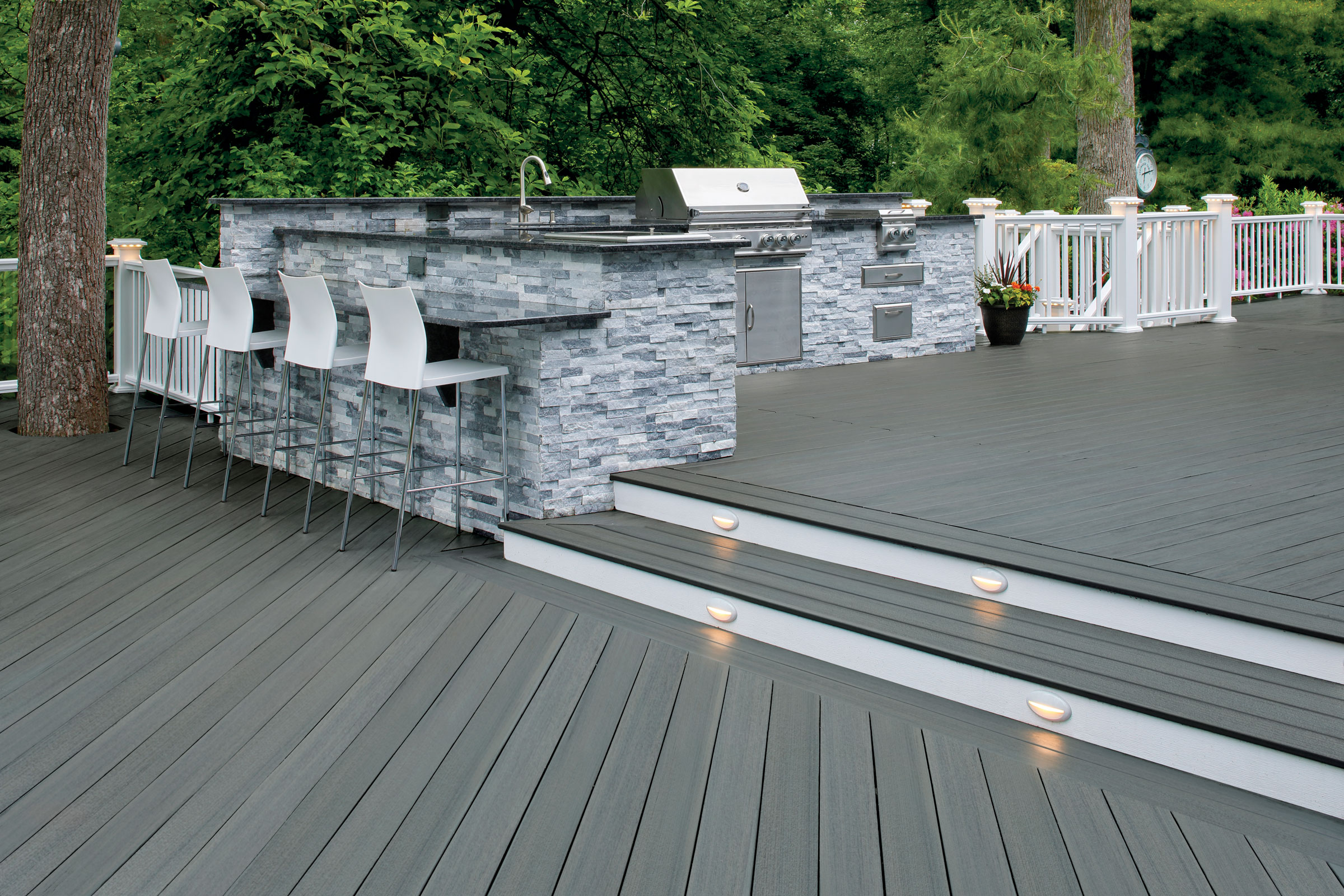
Attractive Deck And Fence Projects Encourage Memorable Outdoor Moments

Beautiful outdoor spaces can transform ordinary days into enjoyable experiences filled with comfort and connection. Thoughtfully planned deck and fence projects add visual charm while creating inviting areas for relaxing, gathering, and enjoying fresh air.

Welcoming Spaces For Everyday Enjoyment

deck builders

A well-designed deck extends indoor living areas and creates a comfortable setting for peaceful mornings, family meals, and cheerful conversations. Attractive finishes and practical layouts make outdoor time more enjoyable.

  • Creates a comfortable area for outdoor seating
  • Supports casual meals and gatherings
  • Adds warmth and character to the property
  • Encourages more time spent outdoors
  • Provides a versatile setting for activities

Fences That Add Beauty And Definition

A designed fence can complement a deck while giving the outdoor area a polished appearance. Attractive lines, balanced proportions, and details help define spaces.

  • Establishes clear and attractive boundaries
  • Complements surrounding architectural features
  • Enhances privacy while maintaining visual appeal
  • Creates a finished appearance around outdoor areas
  • Supports a cohesive overall design

Creative Designs Inspire Personal Expression

Outdoor projects become memorable when their design reflects individual preferences. From simple layouts to distinctive decorative details, creative choices can make each space feel inviting and comfortable.

  • Selects layouts that suit different lifestyles
  • Introduces decorative elements for personality
  • Combines practical features with attractive details
  • Creates areas for social activities
  • Encourages a stronger connection with outdoor living

Quality Planning Supports Lasting Enjoyment

Successful improvements begin with planning and attention to structure, proportions, materials, and functionality. A considered approach helps create spaces that look appealing while remaining comfortable and useful through changing seasons.

  • Plans dimensions around intended activities
  • Considers movement and seating arrangements
  • Balances appearance with practical performance
  • Chooses durable construction approaches
  • Builds a foundation for long-term enjoyment

Outdoor Features Encourage Shared Moments

A beautiful deck and fence combination can create a setting where meaningful moments naturally unfold. Whether enjoying a quiet evening, hosting a gathering, or spending relaxed time together, an attractive outdoor environment can make simple occasions feel special.

  • Provides a pleasant setting for family gatherings
  • Encourages friendly conversations and shared meals
  • Creates space for celebrations
  • Offers peaceful areas for reading or relaxing
  • Helps turn everyday routines into memorable experiences

Smart Improvements Add Lasting Appeal

Thoughtful upgrades can strengthen visual impact and practical value. When every element works together, the result is a polished environment that feels inviting, organized, and enjoyable.

  • Refreshes the outdoor appearance
  • Improves the flow between different areas
  • Adds useful space for relaxation and entertainment
  • Supports a welcoming first impression
  • Makes outdoor living feel more purposeful

For homeowners considering deck replacement tacoma, a planned project can refresh the outdoor experience. Combining an appealing deck with a complementary fence creates harmony, comfort, and encourages more memorable moments.

Conclusion

Attractive deck and fence projects offer more than visual enhancement. They create welcoming spaces where relaxation, connection, and enjoyment become part of everyday life. With creative planning, quality construction, and details, outdoor areas can deliver enduring beauty and memorable experiences.