


A well-organized battle belt IFAK can make emergency response smoother, faster, and more effective. Carrying the right medical essentials in an easy-to-reach setup improves confidence and readiness during outdoor activities, training sessions, and demanding environments. A practical arrangement helps save valuable time while keeping gear secure and accessible.
Choose a Compact and Balanced Setup
Keeping the belt lightweight improves comfort and mobility. A balanced arrangement also prevents unnecessary strain during movement.
Helpful setup ideas include:
- Position the IFAK where either hand can reach it
- Avoid overloading one side of the belt
- Use slim pouches that reduce bulk
- Keep essential tools separated for quicker access
- Select durable materials that resist wear and moisture
A compact layout allows smoother movement while maintaining quick medical access.
Prioritize Essential Medical Supplies
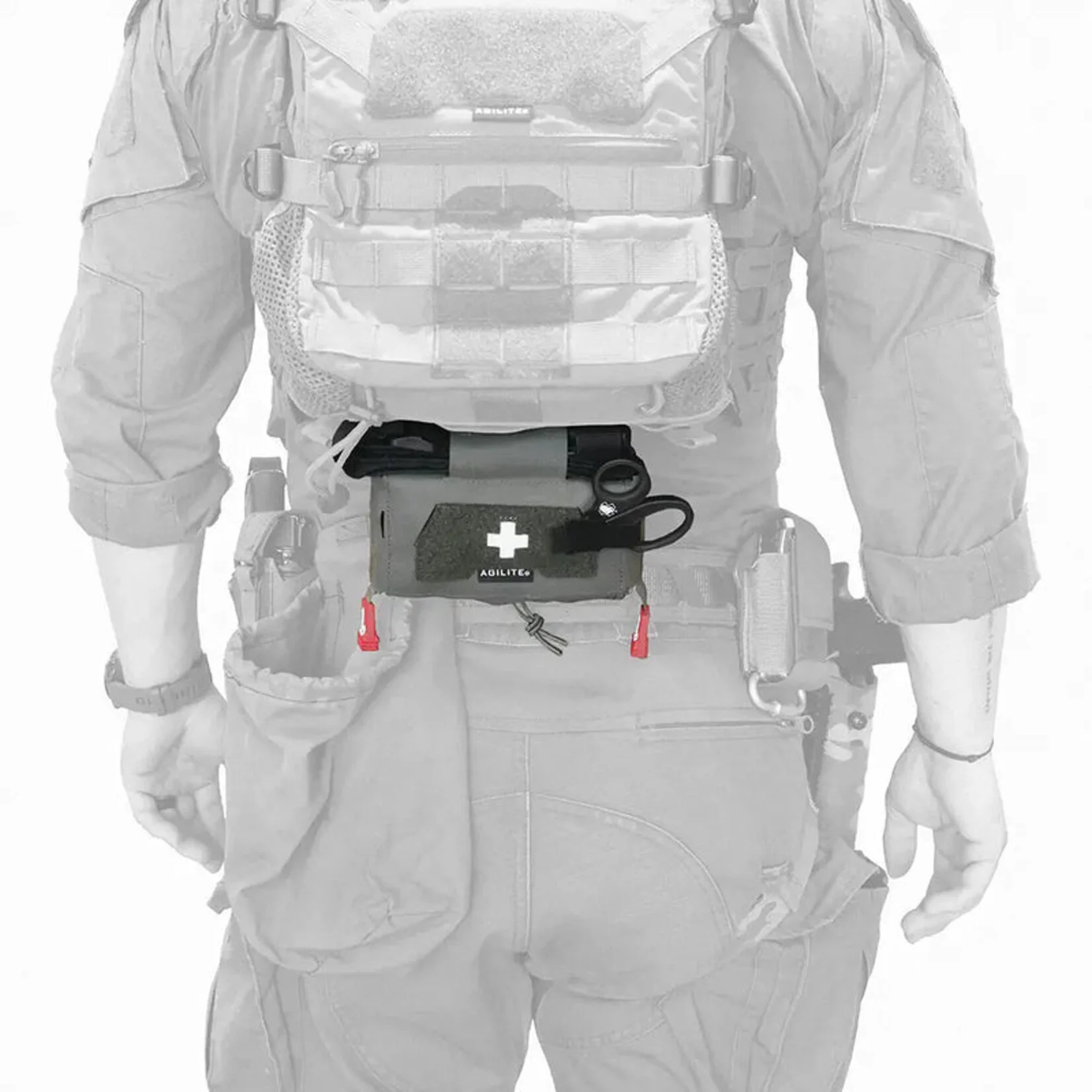
An effective IFAK focuses on practical emergency items rather than excessive equipment. Carrying only the most useful supplies keeps the pouch organized and easy to manage.
Important items to include
- Compression bandages
- Medical gloves
- Trauma shears
- Gauze rolls
- Adhesive tape
- Chest seals
- Antiseptic wipes
- Tourniquet
- Emergency blanket
These items support quick care during common emergency situations while keeping the kit efficient.
Organize Supplies for Faster Access
Smart organization reduces confusion during stressful moments. Placing items in a logical order improves reaction speed and helps users locate supplies immediately.
Simple organization tips:
- Store frequently used items near the outer section
- Use elastic loops to secure medical tools
- Separate small items into labeled compartments
- Keep gloves on top for immediate use
- Fold gauze neatly to prevent tangling
An organized IFAK improves efficiency and keeps supplies protected from damage.
Practice Quick Retrieval Techniques
Fast access matters during emergency care. Repeated practice builds familiarity with the pouch layout and improves response time.
Useful training habits
- Practice opening the pouch with both hands
- Repack supplies after every training session
- Test access while standing, kneeling, and moving
- Memorize the location of every item
- Perform timed retrieval drills regularly
Consistent practice creates smoother reactions and increases overall preparedness.
Keep the Kit Clean and Updated
Routine maintenance keeps medical gear reliable and ready for use. Supplies should remain clean, dry, and properly secured at all times.
Maintenance checklist:
- Replace damaged packaging immediately
- Remove expired medical items
- Inspect straps and zippers regularly
- Clean dirt and moisture from the pouch
- Restock missing supplies after use
A maintained kit performs better and supports dependable emergency response.
Improve Comfort without Sacrificing Function
Comfort plays an important role in battle belt ifak during long periods of wear. A properly adjusted battle belt helps users move naturally while carrying medical equipment securely.
Comfort-enhancing tips
- Adjust belt tension evenly
- Prevent overcrowding with unnecessary gear
- Keep heavier items close to the center
- Use flexible pouch placement when possible
- Test the setup during movement exercises
A comfortable arrangement encourages consistent use and better mobility.
A practical battle belt IFAK combines accessibility, organization, and reliability for quick emergency care. Smart placement, essential medical supplies, and regular practice create a more efficient response system. With a lightweight setup and proper maintenance, users can stay prepared while moving confidently in demanding situations.